Entertainment & Events
Divisible halls, conferences and live events driven from a single networked DSP core.
- Halls
- Up to 12 zones
- Recall
- Instant presets
- Network
- Dante / AES67
- Rooms are reconfigured constantly and every layout is a different acoustic problem.
- Event crews arrive with their own consoles and expect a working system.
- Both speech and full-band music must work in the same space.
- A preset per partition layout, recalled from a touch panel in seconds.
- Steered systems for speech, point-source systems for music headroom.
- Standard patch and network interfaces for visiting production.
The stack we would specify for this environment.
Layout change in seconds, not hours.
Speech clarity and musical headroom together.
Standard interfaces for visiting productions.
Partition-aware zoning tied to the venue control system
Tie-lines and network patch points at every hall position
Documented presets handed over with the system
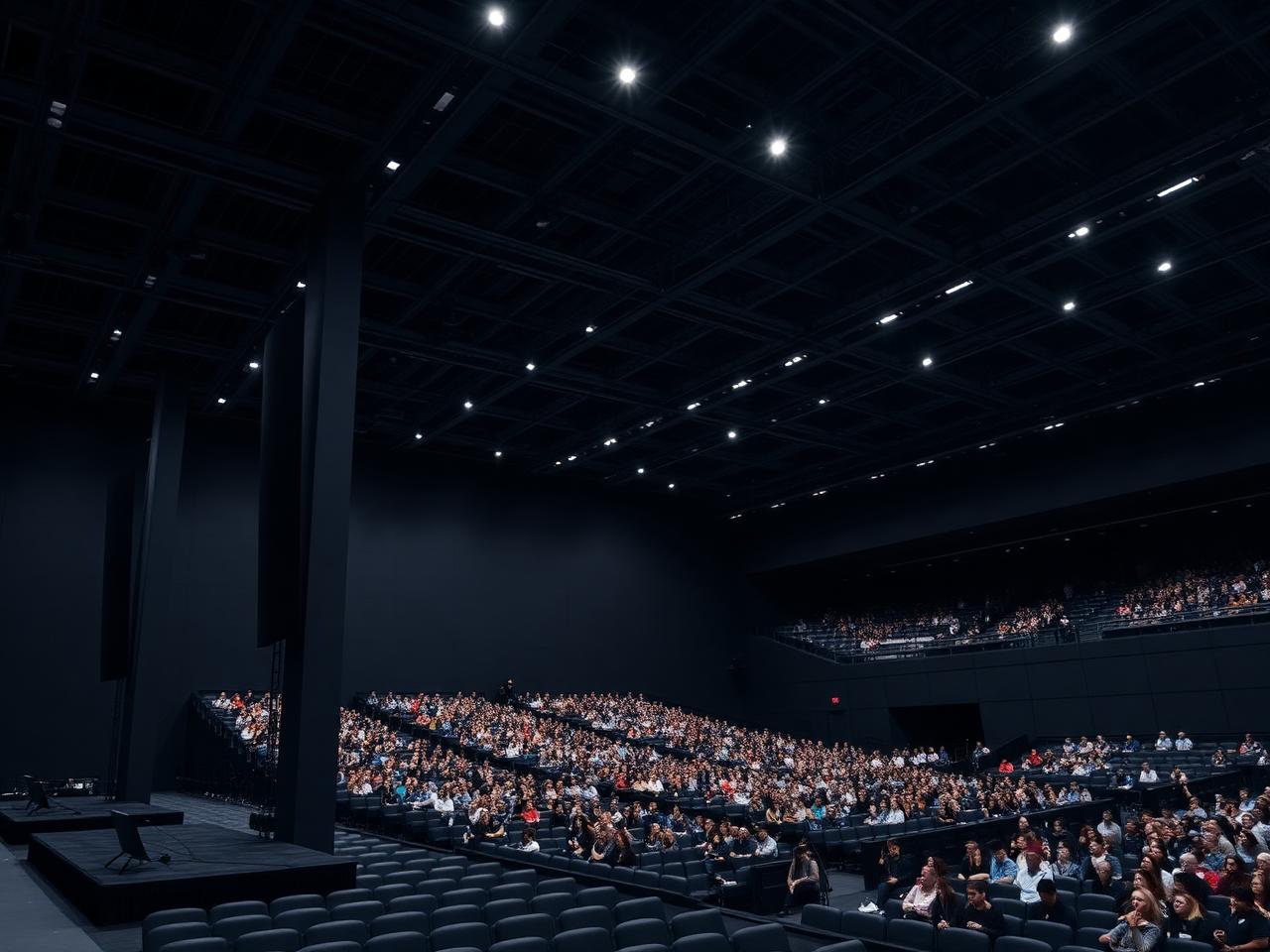
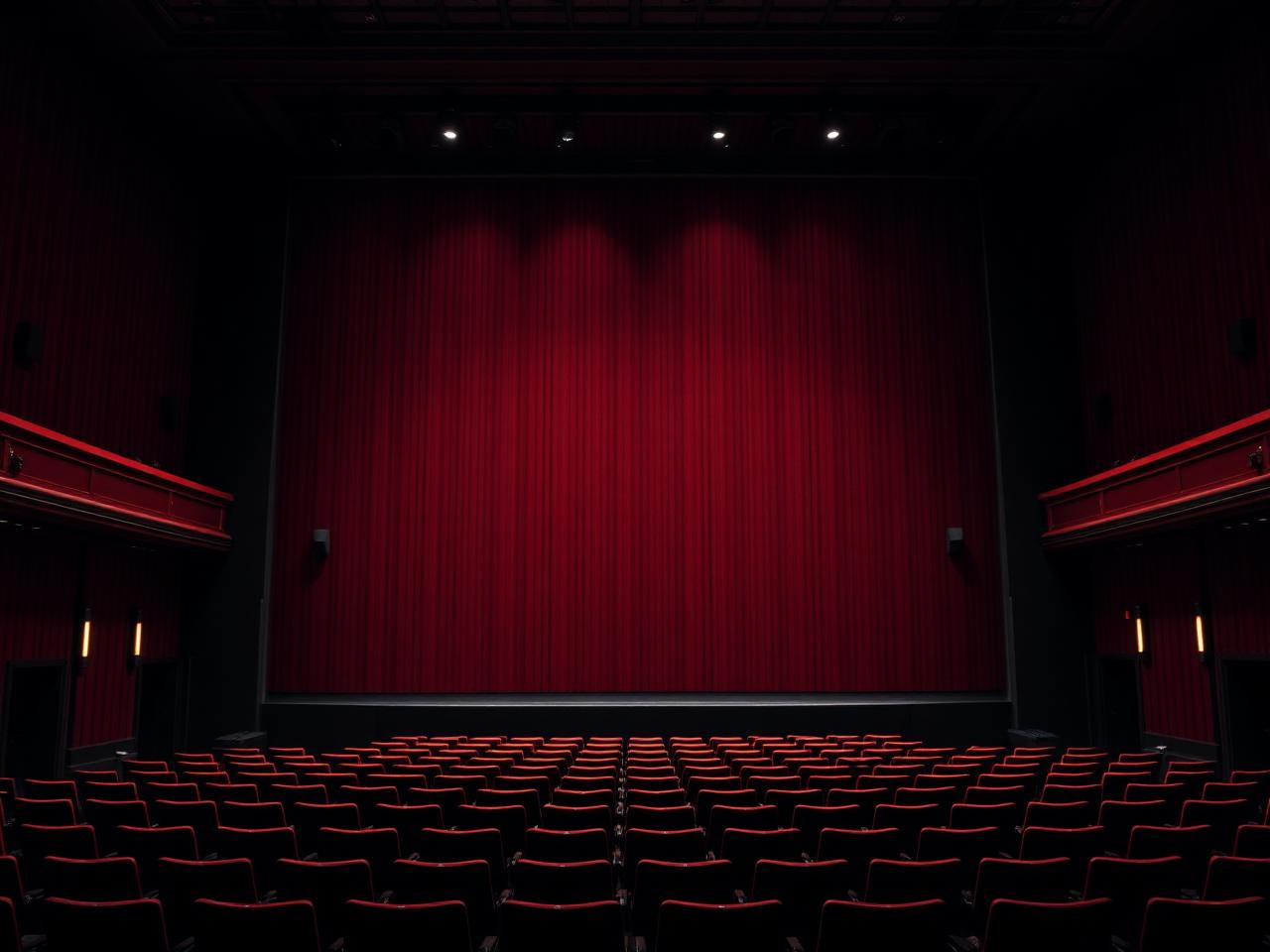
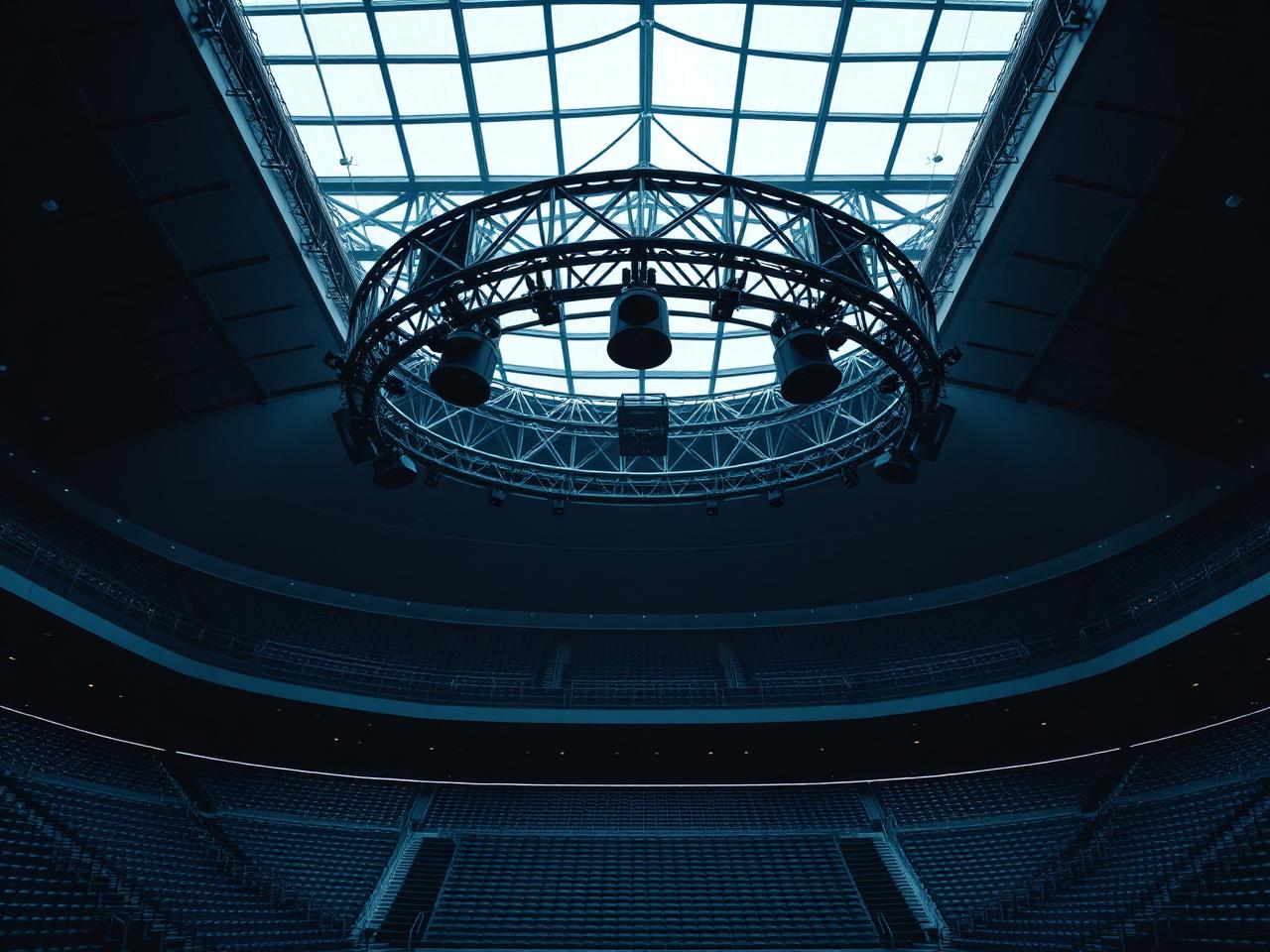
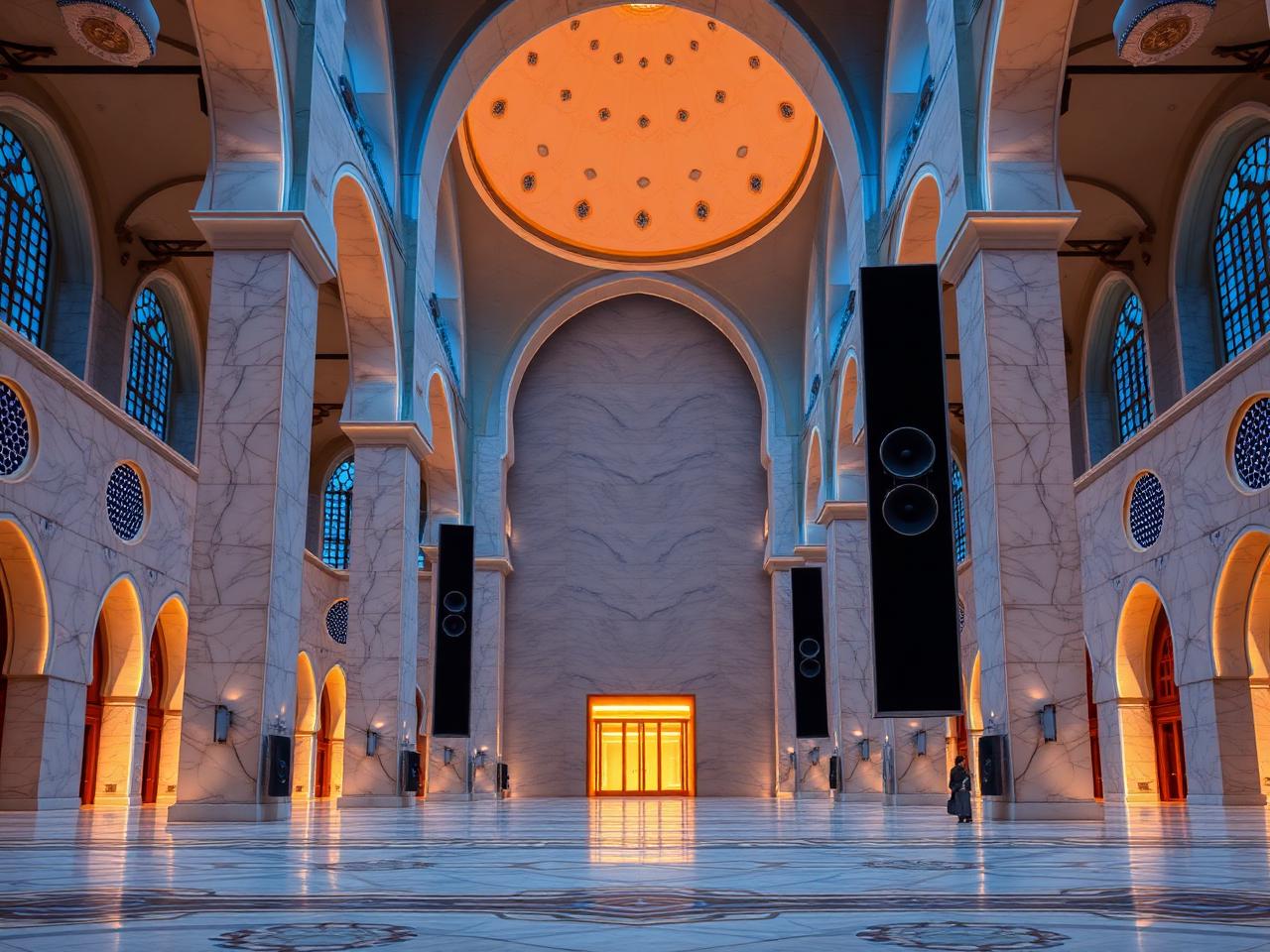
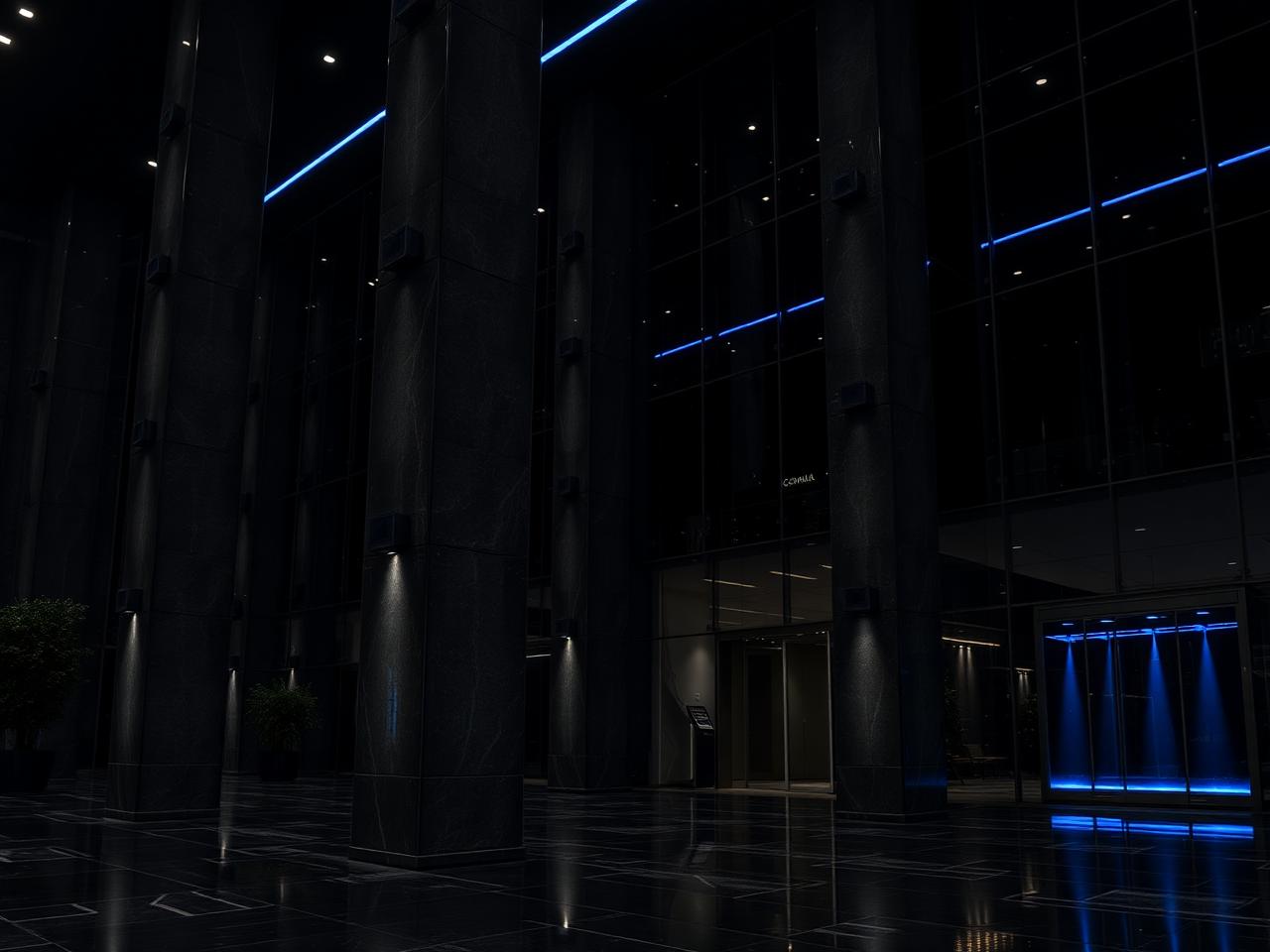
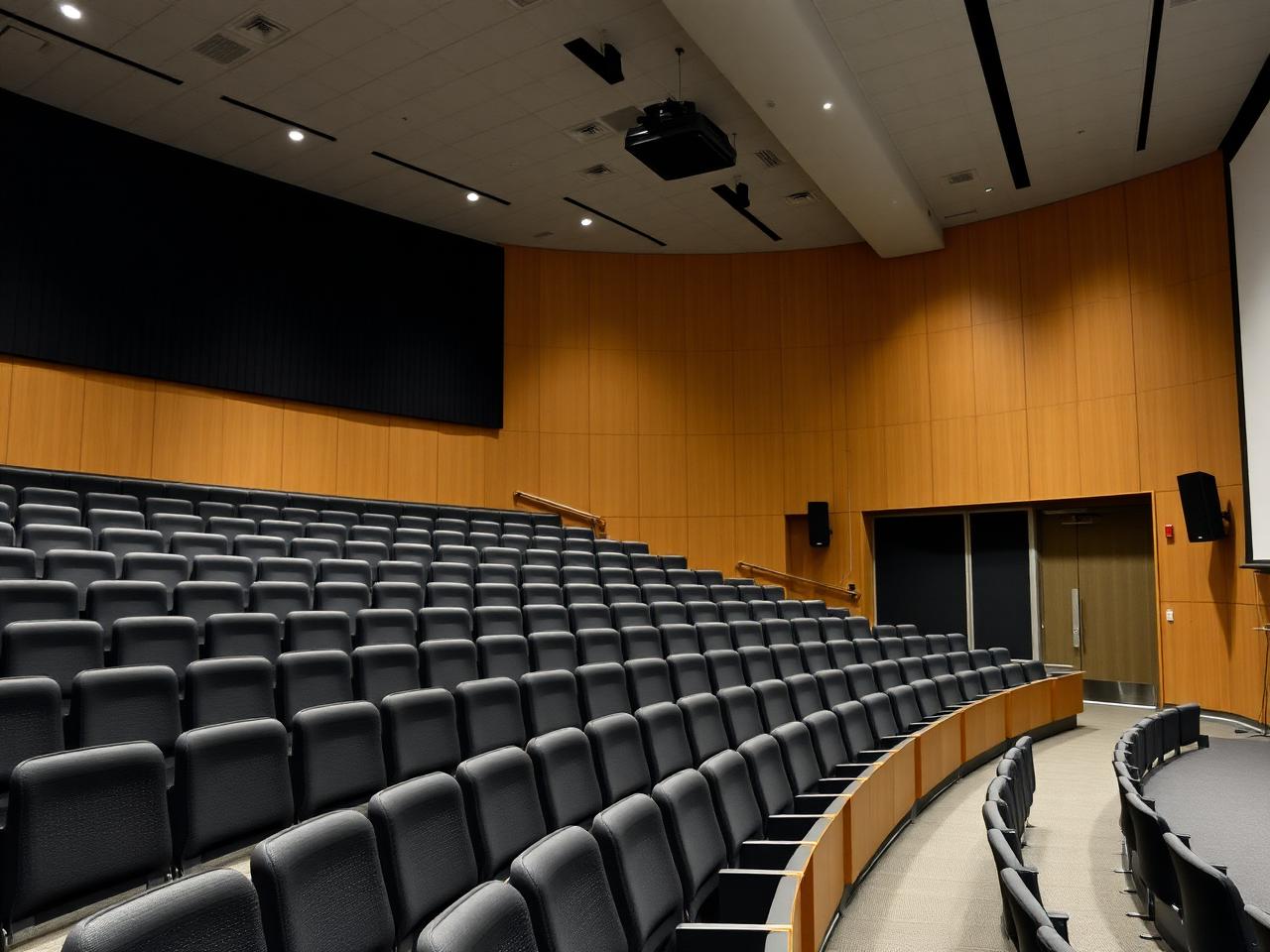
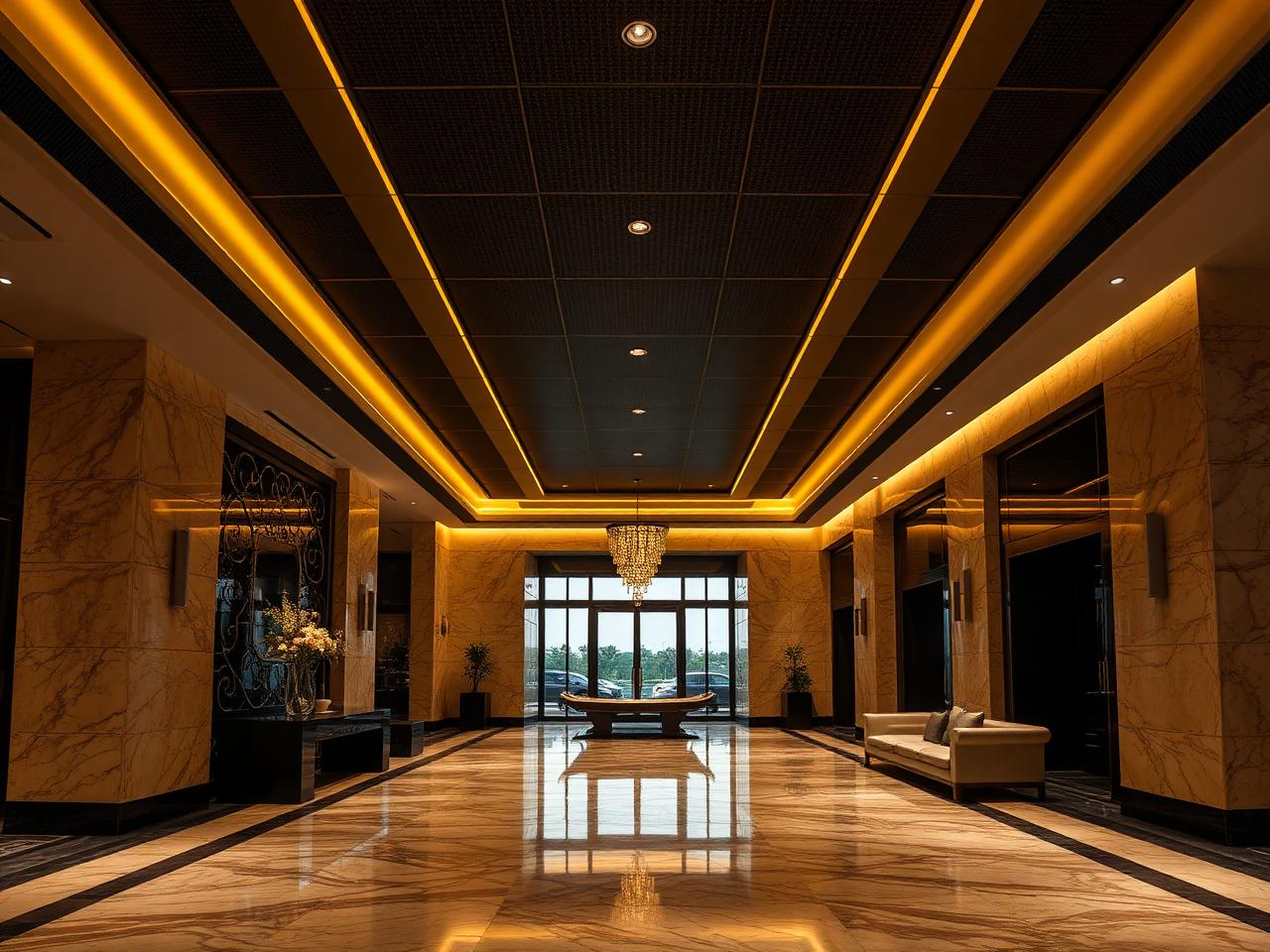
How it looks in the space.
The numbers behind the design.
Microphones, UC codecs, media players and the emergency interface arrive on a redundant network layer with priority routing.
Select the zones in your entertainment project.
Pre-loaded with typical entertainment room data.
Adjust the room, steer the beam and export a branded coverage study for your project file.
Divisible flat-floor space with banquet rounds. Coverage must survive partition changes and background chatter.
Click any listening position to move the virtual listener · drag the array to change mounting height · every value is a design estimate until site measurement.
Showing the parameters that matter most for a ballroom. Switch to “Build my room” for the full geometry set.
Fixed vertical dispersion sprays energy at ceilings and rear walls. Reflections smear consonants.
Drag the array to set mounting height, drag the handle to steer, drag anywhere to move the listener.
Steered energy holds level across the seating plane instead of falling away behind the first rows — indicative design estimate, not a measurement.
Real programme material — a recorded announcement, a music bed or a pink-noise test signal — played through the current room, beam and noise settings.
Beam on the listener at 20 m — direct sound stays forward of the room tail, articulation holds at STI 0.88. Indicative sound design simulation, not a measurement or a Fohhn recording.
Dolby surround test
Channel-by-channel identification for a 5.1 / Atmos room. Tap any speaker to fire that channel, or run the full sweep.
Output routing is detected on first playback.
Beam locked on the listener — approx. +41 points of speech-intelligibility improvement versus a conventional system in the same room.
Drag inside the steered room to move the listener. Indicative simulation — not a measurement of a specific project.
Engineering notes · auto-generated, editable
Design simulation — estimated performance until site measurement
Site measurement of RT60, noise floor and geometry against the architect's model.
Beam plots per zone with predicted STI and SPL maps issued as a report.
Loudspeaker schedule, amplifier count, cabling and containment drawn in CAD.
Equipment pre-configured and load-tested in the CaesarTechs facility.
Mounting details coordinated with the fit-out contractor and MEP package.
On-site tuning, as-built documentation, operator training and remote monitoring.
We model the room in acoustic software and issue beam plots with predicted STI for every zone of the entertainment space before a single bracket is ordered.
Yes. Beams are steered digitally, so re-tuning after a fit-out change is a software session — no ladders, no re-rigging.
Slim column profiles in custom finishes, flush or recessed where the architecture allows. Most clients see nothing at first glance.
The DSP core supports prioritised emergency broadcast paths and supervised monitoring alongside the everyday program audio.
CaesarTechs provides remote monitoring, firmware management and an SLA-backed response with local engineers.
Let's design the audio for your entertainment project.
Share your drawings and we will return a coverage plan, a bill of materials and a commissioning scope.